It has enveloped our childhood memories in sweetness, it accompanies our moments of happiness, it soothes our bouts of the blues.
It's chocolate.
Divine nectar, source of pleasure and delight.
The mere mention of it makes our eyes light up with delight and our taste buds tingle.
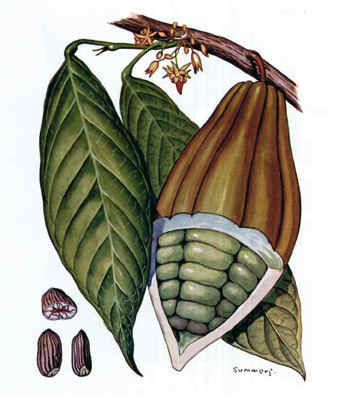
The aroma of cocoa wafts from the kitchen and fills the house. A saucepan holds a small amount of still-warm chocolate. The children's eager, impatient fingers dart across the sauce. Faces are smeared, clothes stained. But laughter rings out and eyes shine with joy. Who doesn't remember these scenes, etched in our childhood memories?.
Afternoon tea is always a celebration, whether it's a slice of bread topped with a bar of chocolate, a glass of milk adorned with chocolate mousse, a stack of crepes covered in chocolate, or a cake marbled with cocoa stripes. For birthdays, cakes are dressed in shiny chocolate or crunchy shavings. Chocolate treats abound and punctuate our moments of joy and togetherness. Chocolate gives cream puffs a sumptuous coating, covers profiteroles with their frozen centers in a warm, smooth layer, and infuses ice cream with its fiery flavor.
Chocolate enhances its flavor by infusing itself with aromas and creating subtle harmonies with vanilla, ginger, cinnamon… It is enriched with almonds, hazelnuts, pistachios, raisins, and puffed rice. Nothing can resist this seductive charmer.
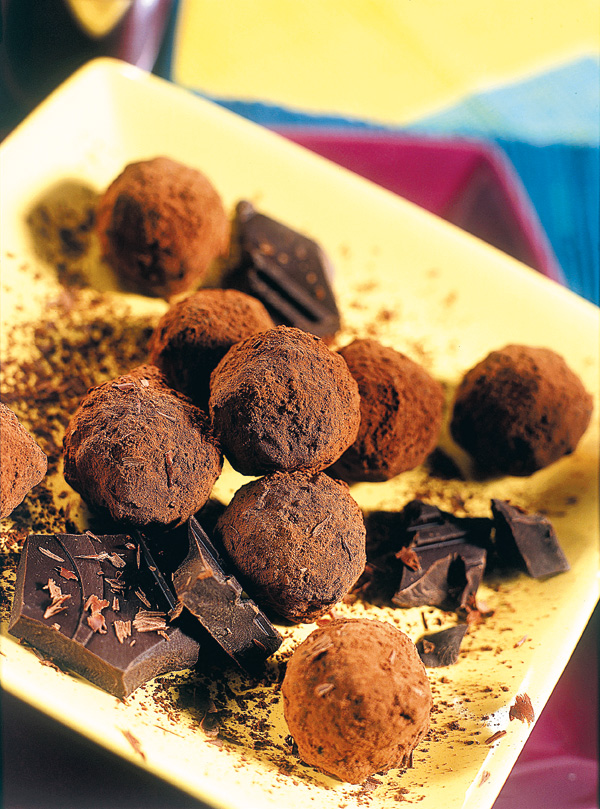
Each recipe has its own chocolate
Cocoa: cocoa powder used in certain recipes such as truffles and tiramisu.
Dark chocolate for biting: This is a fine chocolate, the kind you savor with pleasure. Containing little cocoa butter, it's excellent in drinks.
Dark baking chocolate: Also called household chocolate, its bitterness varies depending on its cocoa content. It should have a cocoa content of 60 to 70 g/L. It should also contain 18 g/L of cocoa butter to be easily worked. It melts well in a bain-marie and is perfect for cookie dough and desserts.
The dark couverture chocolate: This is the ultimate chocolate, the one used by professionals. You can find it in gourmet shops and pastry shops. It must contain between 60 and 75 g of cocoa and at least 32 g of cocoa butter. It is used for coating chocolate candies.
Milk chocolate: It contains a minimum of 25% cocoa. This chocolate is not suitable for icing because it doesn't harden as well as dark chocolate. However, it is delicious and smooth in mousses, creams, or sauces.
White chocolate: Made from a mixture of cocoa butter (at least 20% cocoa), sugar, and milk, it does not contain cocoa. Purists dispute its right to be called chocolate.
The different types of cocoa: Discerning connoisseurs appreciate the subtleties of pure cocoa beans.
Some chocolatiers sell "pure origin" chocolate bars«
 The most modern equipment for pasteurization of milk



