If there is one ingredient whose absence is inconceivable in a kitchen, it is the tomato. In salads, sauces, soups, tagines, as a side dish… Mediterranean cuisines – Moroccan cuisine in particular – almost always include it.
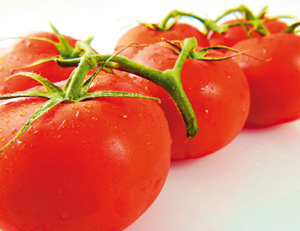
The tomato, red enough to eat!
The pretty tomato brightens up market stalls with its roundness and vibrant color.
Cherry, olive, beefsteak—it's practically in every culinary preparation: a dish can do without certain ingredients, but certainly not without the tomato. Fresh, from concentrate, canned, it's indispensable; it's the emblem of Mediterranean cuisine.
It is now cultivated in virtually every country in the world in dozens of varieties and is the third most produced vegetable globally, after the potato and the sweet potato.
Morocco produces approximately 1.3 million tons of tomatoes annually in the Souss-Massa, Oualidia, El Jadida, and Casablanca regions, both in open fields and greenhouses. The perennial question surrounding tomatoes is whether they are a fruit or a vegetable.
Let's be clear: botanically speaking, the tomato is indeed a fruit… but as soon as it enters the kitchen, it's prepared and eaten like a vegetable! A low-calorie vegetable with diuretic, laxative, and remineralizing properties. Lycopene, the pigment that gives it its red color, is beneficial for several reasons (especially when the tomato is cooked): it's a powerful antioxidant and more effective than beta-carotene at pigmenting the skin.
Delicious ideas:
Tomatoes lend themselves to a multitude of culinary preparations, from the simplest to the most sophisticated. But first and foremost, to preserve their full flavor, remember not to remove the stem before washing them, as this causes them to absorb too much water. Enjoy them raw with a sprinkle of salt (fleur de sel, fine salt, flavored or plain—all are wonderful accompaniments).
In salads, it can be eaten raw or cooked, cut into wedges or diced. Seasoned with olive oil, salt, pepper, and chopped fresh basil, tomato and mozzarella salad, This dish, which arrived on our tables from Italy, is simple and quick to prepare. In soup form, it is the basic ingredient of the famous gazpacho, a dish beloved by Spanish cuisine, which reinvents it year after year. In sauce Whether whole or chopped, it forms the base of a pizza, but also try a tomato tart: spread a mixture of mustard, crème fraîche, tomato paste, salt, and pepper on a shortcrust pastry base. Cover with tomato slices and sprinkle with grated Emmental cheese before baking. Large, meaty tomatoes are delicious stuffed with a mixture of kefta and slightly spiced rice, or even ricotta or tuna. If you're a fan of crumble, take advantage of cherry tomato season to make a delicious one. Contrary to what you might think, this specialty isn't exclusively reserved for sweet fruits: tomatoes work perfectly well in this recipe.
To accompany grilled meats, prepare oven-baked tomatoes: simply cut them in half, sprinkle them with parsley, garlic, salt and pepper (and possibly a pinch of breadcrumbs) before baking them in the oven.
When they are golden brown and their skin is slightly wrinkled, they are ready. As a sauce, tomato pairs perfectly with zucchini flan or gratin, enhancing its flavor, as well as with pasta, rice, omelets, and baked or steamed fish. Tomatoes can also be made into jam, but this time it's green tomatoes.
Finally, the tomato has recently appeared in two original forms: dried (long used in Italy) and as a sorbet (summer is coming, keep that in mind!). Dried tomatoes, with their strong flavor, enhance the taste of a mixed salad, blend well into a dressing (cut into small dice), and combine perfectly with mozzarella and green or black olives to create a succulent savory cake. Its uses are many, but it's best to know that if you buy them vacuum-packed, you'll need to soak them for about twenty minutes in boiling water so they rehydrate and regain their flavor. If you buy them marinated in oil, you can use them as is. As for the sorbet, it can be enjoyed as an appetizer, a light dessert, or a main course.
Store properly:
We tend to store tomatoes in the cold: mistake! It's better to keep them at room temperature, away from sunlight. This way, they continue to ripen. Of course, you can also place them in the refrigerator's vegetable drawer.
Advantage: you will keep them longer. Disadvantage: they stop ripening.
Buy smart:
Cluster, round, oblong, ribbed, cherry, cocktail… There are many varieties of tomatoes, some of which are available year-round. The round variety is the most common; the cherry and cocktail varieties are fragrant; the cluster tomato is very flavorful but less common; and the olivette is long and not very juicy. Of course, there are many other varieties, but not necessarily available locally, such as yellow, purple, orange, and black. Always choose plump tomatoes with shiny skin and, if possible, a good aroma. They should be free of blemishes and bruises, and their skin should be smooth. Select them according to how you intend to use them.
If they are rather pale and slightly mealy, reserve them for sauces or soups. If they are very ripe (and therefore very fragile), reserve them for coulis and other sauces. And if they are red and juicy, they are suitable for all preparations. In any case, it is their stage of ripeness that dictates their use.
Tomatoes and slimming:
Tomatoes are an excellent appetite suppressant, and their beneficial properties make them a valuable ally for those on a diet. Composed of 95% water (%), they are low in sugar, protein, and fat. Don't hesitate to eat them at the beginning of a meal, as they have a satisfying effect while also promoting the assimilation of other foods. If you enjoy fruit juices and are looking for an effective appetite suppressant, blend tomatoes with celery leaves, add a little wheat germ, season with salt and pepper, and drink immediately.
Tomatoes in Moroccan cuisine
The tomato is one of the key ingredients in Moroccan cuisine. It features in most dishes, lending them its tangy flavor and vibrant color. Let's take a little detour into our kitchen in search of the perfectly plump tomato with its inimitable taste.
Raw, grilled, fried, candied, cooked in a sauce, or as an accompaniment to other vegetables, the tomato holds a place of honor in Moroccan cuisine. In raw salads, the tomato brings its freshness and vibrant color. It forms a duo in the national colors with lightly grilled bell peppers. A variation of this recipe, a specialty of the city of Taza, involves grilling tomatoes and bell peppers and then crushing them with a wooden chopper in a wooden bowl. Drizzled with olive oil and seasoned with salt, this "s'lata madqouqa" is sublime. The golden apple (or love apple) can stand on its own, diced and sprinkled with chopped onions. It perfectly complements green salads, such as lettuce or romaine, as well as cucumbers and, generally speaking, all raw vegetables. All these preparations are drizzled with olive oil or olive oil vinaigrette.
Among cooked salads, the tektouka, Tomatoes and peppers cook together with a clove of garlic, cumin, salt, and paprika. A drizzle of olive oil adds a fruity note to this salad. In the soup category, tomatoes lend their color to Harira, Tomatoes enrich Chorba and all vegetable soups. They are an essential ingredient in couscous with seven vegetables. In cooked dishes, tomatoes are ubiquitous. Among savory preparations, one can mention lamb tagine with tomatoes and onions. They complement all green vegetables: beans, zucchini, etc.
In the famous slightly sweet tomato tagines, it reigns supreme in M'qfoul, Binraraïn, and Qamama. As for Matecha Mâasla, tomato jam Flavored with cinnamon and adorned with sesame seeds, it can be served alone or used to decorate chicken or meat tagines with its vibrant color. Tomato sauces, Meanwhile, they make excellent tagines with eggs (which are colloquially called BM – bed be matecha), khliï, Tomatoes are used in kefta meatballs and offal dishes. They also enhance fish and seafood (mussels, shrimp, and squid), sliced on whole fish or chopped into small pieces in tagines. They can also be used as a highly concentrated sauce, cooked with garlic and paprika and garnished with chopped parsley, to accompany fish and fried vegetables (potatoes, eggplant, and peppers).
«"When you have a large quantity of tomatoes, don't hesitate to prepare them this way so you can preserve them longer and have tomato pulp on hand to use in tagines, soups, and sauces."»
Recipes :
 The most modern equipment for pasteurization of milk



